
Announcing the 2025 Innovator Award Recipients
The Hydrocephalus Association is proud to announce the recipients of our 2025 Innovator Award, which provides seed funding for bold, early-stage ideas with the potential to transform hydrocephalus care. These projects reflect our Community Research Priorities, particularly the need for less invasive treatments, better diagnostic tools, and research that can improve quality of life for people living with hydrocephalus.
 Dr. Nathaniel Fried
Professor of Physics and Optical Science at University of North Carolina at Charlotte
Image-Guided Laser Clearance of Occluded Ventricular Catheters for Treatment of Hydrocephalus
Shunt blockages are the most common cause of shunt failure. Dr. Fried’s team is developing a tiny, flexible laser system paired with a miniature endoscope that could be used to safely clear blockages from shunt catheters. If successful, this approach could allow neurosurgeons to restore shunt function without replacing the entire system.
 Dr. June Goto
Associate Professor of Surgery at Cincinnati Children’s Hospital Medical Center
Choroid Plexus Targeted Treatment for Hydrocephalus
Hydrocephalus in newborns often requires multiple surgeries because shunts can fail many times over a child’s life. Dr. Goto’s team is developing a new, one-time therapy that could lower the amount of fluid the brain makes. Using a safe, virus-based delivery method, her team aims to target the part of the brain that produces cerebrospinal fluid called the choroid plexus with the goal of reducing excess CSF build-up in the brain and therefore reducing the need for surgery.
Dr. Marwan Osman 
Research Faculty at Yale University
Addressing Paenibacillus-Associated Neonatal Sepsis and Post-Infectious Hydrocephalus in East Africa (PANS-PIH)
In parts of East Africa, newborn infections can lead to post-infectious hydrocephalus (PIH), a major cause of disability and death. Many hospitals lack the tools needed to identify the bacteria responsible, particularly the Paenibacillus bacteria, which is a rising cause of neonatal sepsis. Dr. Osman’s project focuses on building long-term diagnostic capacity in Uganda by training laboratory staff, improving testing systems, and introducing a rapid, low-cost diagnostic tool. The project will also analyze bacterial genetics to help doctors worldwide understand antibiotic resistance.
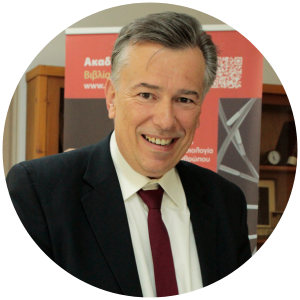 Dr. Stavros Taraviras
Professor of Physiology at Medical School, University of Patras
Investigating the Use of Focused Ultrasound as a Gene Delivery Approach Targeting Ependymal Cells
Gene therapy holds promise for hydrocephalus, but getting treatments into the brain safely is a big challenges. Dr. Taraviras is exploring the use of focused ultrasound (FUS) to deliver therapeutic genes to the cells lining the brain’s ventricles. Using mouse models of hydrocephalus, his team will test whether this approach could help repair damaged cells or correct harmful genetic pathways that contribute to hydrocephalus.
A Future Powered by Innovation
These projects reflect the creativity, urgency, and passion driving hydrocephalus research today. By investing in early-stage ideas, the Hydrocephalus Association aims to accelerate progress toward safer treatments, better diagnostics, and improved quality of life for everyone affected by hydrocephalus.
Join Us in Celebrating
As we celebrate this year’s award recipients, we also want to acknowledge all researchers who submitted proposals. Your dedication to improving the lives of those affected by hydrocephalus is deeply valued, and we encourage you to keep pushing your ideas forward. With continued innovation, we can move closer to better options and better outcomes for our community.