
Why Hydrocephalus Matters: The Impact of Our 2026 Health Economics Research Workshop
The Hydrocephalus Association, with the generous support of the Rudi Schulte Research Institute, hosted its largest research workshop to date in Indianapolis, Indiana on July 21-22, 2026, titled Why Hydrocephalus Matters: Population Burden, Economic Impact, and Barriers to Care. This workshop brought together more than 120 participants from around the world, including physicians, scientists, engineers, health economists, industry representatives, patients, caregivers, and policy experts, to explore an important question:
Why does hydrocephalus matter, and what needs to change to improve care for 1+ million people living with this condition?

While hydrocephalus affects people of all ages and often requires lifelong care, its true impact on patients, families, and healthcare systems is still not fully understood. This workshop focused on better defining the size of the hydrocephalus community, understanding the economic and personal burden of the condition, identifying barriers to timely diagnosis and treatment, and exploring opportunities to increase investment in research and innovation.
Just as importantly, patients and caregivers were central to these discussions, ensuring that the conversations remained grounded in the real-world experiences of those living with hydrocephalus every day.
Key Highlights from the Workshop:
Understanding the Hydrocephalus Landscape: Speakers examined the true population of hydrocephalus across the lifespan — from pediatric hydrocephalus to adult hydrocephalus and idiopathic normal pressure hydrocephalus (iNPH) — highlighting how the condition has historically been underestimated and where important data gaps remain.

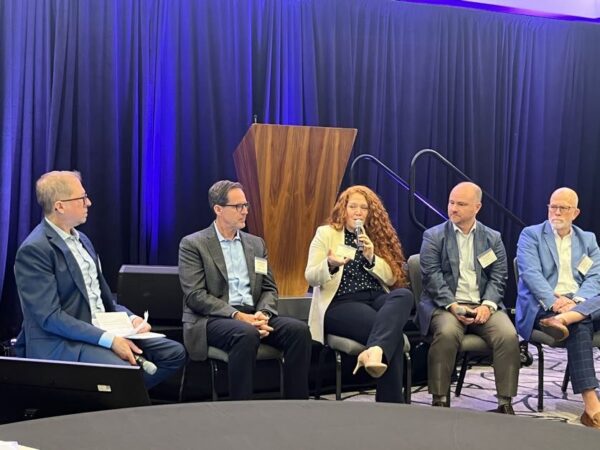
Economic Impact and Innovation: Experts discussed the financial burden of hydrocephalus on patients, families, and healthcare systems while exploring why hydrocephalus represents an important opportunity for new diagnostics, treatments, and investment. Industry leaders and investors also shared what is needed to accelerate innovation in the field.
The Patient and Caregiver Experience: Patients and caregivers shared powerful stories about the challenges of obtaining a diagnosis, accessing specialized care, navigating insurance, and managing the lifelong impact of hydrocephalus. These discussions emphasized that the burden of hydrocephalus extends far beyond medical costs alone.
Improving Access to Care: Speakers explored barriers to diagnosis, disparities in access to care, the shortage of adult hydrocephalus specialists, and innovative models of care that could help more patients receive timely, specialized treatment throughout their lives.


Building a Roadmap for the Future: Through interactive breakout sessions, participants worked together to identify the highest priorities for improving data collection, understanding the economic burden of hydrocephalus, expanding access to care, and creating an environment that encourages greater research investment and collaboration.


Why It Matters
Hydrocephalus is often viewed simply as a condition treated with surgery, but this workshop highlighted a much bigger picture. It is a lifelong condition that affects education, employment, mental health, caregiving, healthcare utilization, and quality of life. Yet many of these impacts are not well measured or recognized by healthcare systems or policymakers.
By bringing together experts who don’t traditionally work side by side, including physicians, researchers, health economists, investors, industry leaders, patients, and caregivers, the workshop created a unique opportunity to better understand the true burden of hydrocephalus from every perspective.
Understanding these numbers isn’t just about collecting data. It’s about building the evidence needed to improve access to specialized care, strengthen support for patients and families, encourage investment in new technologies and treatments, and ultimately improve outcomes for everyone living with hydrocephalus.
The Hydrocephalus Association and workshop participants will develop a comprehensive roadmap paper that captures the key discussions, priorities, and recommendations from the meeting. This publication will be shared with the scientific, medical, healthcare, and policy communities to help guide future research, improve access to care, and demonstrate why hydrocephalus deserves greater attention and investment.
