
Hydrocephalus in High School: Coping with Chronic Pain
By: Jenna Sanchez
Growing Up with Hydrocephalus: A High School Perspective
In 2015, I wrote this during one of the most difficult times in my life: high school. I was a sophomore, just trying to survive school, friendships, and figuring out who I was—while also preparing for what would be my 47th (maybe 48th?) brain surgery. Living with hydrocephalus has shaped my life in ways that most people my age back then couldn’t begin to understand.
The Hidden Struggles of Teens with Hydrocephalus
Too often, we overlook what it really means to be a young person managing a chronic condition. Students with hydrocephalus are forced to grow up faster than their peers —not just physically, but emotionally.
It’s tough when your pituitary gland is raging, even harder when hydrocephalus adds extra challenges. You learn to advocate for yourself in rooms full of adults with degrees, hearing “you’re presenting well” even when you know something is seriously wrong. You recognize your own symptoms better than most medical students, yet still aren’t believed.
When Doctors Say “You’re Presenting Well”
That kind of experience doesn’t just test your patience—it shakes your sense of self. It makes you question your instincts and chips away at the confidence you’re still trying to build, while classmates are worrying about prom, finals, or what to wear on a Saturday.
Meanwhile, I was calculating how to survive another ER visit without being dismissed. This is what it was like growing up with hydrocephalus for me. This is what I wrote, in real time, while trying to live through it.
Living with Chronic Pain and Hydrocephalus
As someone who is besties with her MRI tech, Facebook friends with most of the nurses on her unit, and can call her surgeon by their first name, I know the reality of “chronic pain”.
By then, I was preparing for another brain surgery. I knew my symptoms, and I knew my body: seizures at night, slurred speech, dizziness, forgetting words like “the.” But because I “presented well,” medical professionals often dismissed my reality.
The Challenge of Seeking ER Care
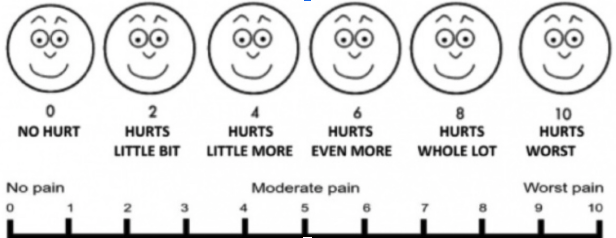
When you’re someone who laughs while saying, “my headache is a 9/10 and I’ve been throwing up every day because of it,” it isn’t something that most surgeons can grasp. This leads to a whole host of issues, like not being able to ask for the pain medicine that you know helps without risking being labeled a drug seeker or having a psychologist called on you because you sound like a drug addict. You’re trapped: either you “present too well” and get ignored, or you let yourself unravel just to be taken seriously. It’s a constant limbo—wanting to appear unwell enough for them to believe you, but also needing to hold yourself together to function. For me, it’s often harder to appear as though I have an issue than it is to endure the issue itself. For anyone else living this, trust your body. Don’t wait for the pain to become so bad that you can’t communicate—that’s usually when they’ll finally listen.
A friend once asked why I didn’t just go to the ER. My answer? Because I already knew the script. Hours of waiting just to receive IV fluids and have a medical student predict nothing would be done because I “look good”. A scan of my ventricles, even though my chart clearly says my ventricles don’t change with a shunt malfunction. And, finally being sent home after 18 hours with an appointment to see my neurosurgeon later.
By then, I’d be back within weeks—headache so bad it made me pass out and vomit—before anyone would act. That’s why I didn’t rush to the ER. I knew my body, and I knew what would happen. My friend was quiet, then simply said, “Wow”.
Trusting Yourself Through Chronic Illness
Chronic pain is exhausting. It wears on every part of you. But if you live with it, remember this: you know your body best. Don’t wait for your pain to become unbearable before you advocate for yourself.
For me, survival has always meant finding balance—staying safe, staying hydrated, and being as realistically optimistic as possible.
Disclaimer: This blog is designed to provide helpful information on the subjects discussed. It is not intended as a substitute for treatment advice from a medical professional. For diagnosis or treatment of any medical condition, consult your doctor.