
Tips for Navigating the Holidays With Hydrocephalus
Holidays and Hydrocephalus: Tips for a Joyful, Low-Stress Season
The holiday season can be a time of celebration and connection, but for people living with hydrocephalus, it can also bring added stress, fatigue, and uncertainty. Travel, busy schedules, changes in routine, and sensory overload can make this time of year more challenging for both children and adults.
This guide offers practical strategies to help you enjoy the holidays while caring for your health, honoring your limits, and creating space for the moments that matter most.
Why the Holidays Can Feel Harder When Living with Hydrocephalus
Managing hydrocephalus often means balancing energy levels, monitoring symptoms, and planning ahead. The holidays tend to disrupt normal routines and introduce extra layers of stress, including:
- Crowded or noisy environments that can be overstimulating and worsen headaches or fatigue
- Travel that affects sleep and increases symptoms
- Pressure to attend every event, even when your body needs rest
- Emotional stress from wanting to participate fully but feeling limited at times
Even if this year goes smoothly, past seasons where symptoms disrupted celebrations can leave lingering anxiety or uncertainty about what to expect. Knowing what challenges to expect can help you prepare and prioritize what feels realistic.
If You’re in the Hospital for a Shunt Revision During the Holidays
Some holiday seasons look different. If you or your child is in the hospital for a shunt revision, it is completely normal to feel disappointed, overwhelmed, or sad about missing celebrations. A revision during the holidays is never easy, but it is also a step toward healing and feeling better.
Here are a few ways to make this time more manageable:
- Acknowledge your feelings
It is okay to feel frustrated, worried, or emotional about the timing. These feelings do not take away from your strength. Recognizing your emotions and doing what is best for your mental health is an important part of healing. - Focus on healing while still finding ways to celebrate
Your body needs time to recover, and rest is important, but the holidays do not disappear because you are in the hospital. You can still bring small moments of joy into your room. A favorite movie, music, a soft blanket, a small decoration, or a video call with loved ones can brighten the day. Family can also bring a piece of a tradition to you, such as reading a story together, sharing a treat, or opening one special gift. Healing and celebrating can happen together. - Create familiar comforts
Bring items that make you feel safe and relaxed. For both kids and adults, having My Hydro Bear nearby can help them feel understood and supported. - Stay connected in simple ways
Ask friends or family to send photos, short videos, or schedule a brief call. Loved ones will want to support you, even from afar. - Support siblings or family members
A quick message or small check-in can help siblings feel included and ease their worries.
A delayed celebration is still a celebration. You can honor your holiday traditions in whatever way works best once you or your child is home and feeling stronger. Prioritizing rest, emotional well-being, and self-care is part of making that celebration possible.
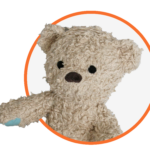
My Hydro Bear includes a shunt, making it easier for people of all ages to understand how treatment works. Families often use it to explain surgery, offer comfort during appointments or hospital stays, or support conversations about hydrocephalus in a gentle and relatable way.
My Hydro Bear is a meaningful holiday gift for anyone who could use comfort, reassurance, or a companion who understands their journey.
Managing Holiday Symptoms and Staying Comfortable
Pace Yourself and Protect Your Energy
Fatigue and headaches often worsen when your calendar becomes packed. Build in rest, leave events early if needed, and focus on the activities that genuinely matter to you.
Prepare for Travel with Your Needs in Mind
Whether driving or flying, plan ahead to make travel more comfortable.
Helpful tips:
- Keep medications and essential information easy to access
- Bring items that reduce discomfort such as sunglasses, earplugs, or an eye mask
- Stay hydrated and take breaks
- Track symptoms using HydroAssist® if you rely on it for your care management
Create a Comfortable Environment
Holiday gatherings can be bright, loud, and overstimulating. A few adjustments can help:
- Sit away from speakers, kitchens, or busy walkways
- Step into a quieter room when needed
- Ask hosts about lighting or noise ahead of time
- Bring comfort items like warm layers or a small pillow
Emotional Well-Being During the Holidays
Give Yourself Permission to Say No
Plans may change depending on how you feel. It is okay to skip events, shorten visits, or suggest quieter alternatives.
Communicate Openly with Loved Ones
People may not always understand hydrocephalus and the symptoms that can come with it, so gentle communication can help:
- “I may need to step away if it gets too loud.”
- “I want to be there, but I might leave early if my symptoms flare.”
- “I am focusing on managing my energy, so I may not attend everything this year.”
These simple explanations create clarity and reduce pressure.
Be Kind to Yourself Emotionally
Holidays may bring joy, stress, gratitude, or sadness. You might miss traditions or feel frustrated when symptoms get in the way. You might also notice old feelings resurface from previous holidays that didn’t go as planned. It’s normal for these memories to bring some worry or uncertainty, even if you feel okay now. All of these emotions are normal and deserve compassion.
Supporting Children with Hydrocephalus During the Holidays
For children, the excitement and unpredictability of the season can be overwhelming. Parents may find it helpful to:
- Keep routines as consistent as possible
- Create quiet breaks or sensory-friendly zones
- Prepare children for travel or large gatherings
- Watch for symptoms such as irritability, fatigue, appetite changes, or seeming “off”
- Track symptoms with HydroAssist® if patterns emerge during travel or busy days
It’s important for kids to know they do not miss out when they rest. They are listening to what their body needs.
Finding Joy in Ways That Fit Your Health
Joy can come from slower traditions too, like baking, decorating, watching holiday movies, or taking a drive to see lights. Small gatherings, quiet mornings, or meaningful conversations can be just as special as large celebrations. Choose what fills your cup rather than drains it.
When to Pay Attention to Symptoms
Seek guidance from your care team if you notice:
- Persistent or worsening headaches
- Nausea or vomiting
- Increased sleepiness or behavior changes
- Balance or vision problems
- Memory concerns or unusual confusion
Tracking symptoms during a busy season, especially with tools like HydroAssist®, can help you identify patterns and guide care decisions.
Closing Thoughts: Your Health Comes First
The heart of the holidays is connection, not perfection. You deserve to experience the season in ways that honor your health and your well-being. Whether your holidays are quiet, busy, or somewhere in between, caring for yourself is the greatest gift you can give.
Helpful Resources
If the holidays feel overwhelming or you want more guidance on caring for your health and emotional well-being, these resources can help:
Healthy Living
Explore tools and strategies that support everyday wellness while living with hydrocephalus.
Support and Community
Connect with others who understand life with hydrocephalus.
- Community Networks (our local support groups)
- HydrocephalusCONNECT (our peer support program)
- Video: Ask the Expert Series
- Share Your Story with the community
Tools, Articles, and Guides
Helpful resources for navigating everyday care decisions.
- HydroAssist® mobile app
- Hydrocephalus Resource Library
- Hydrocephalus Resources
- Traveling and Hydrocephalus article
- Coping With Hospital Stays article
Information you can trust! This article was produced by the Hydrocephalus Association, copyright 2025.
This article is designed to provide helpful information on the subjects discussed. It is not intended as a substitute for treatment advice from a medical professional. For diagnosis or treatment of any medical condition, consult your doctor.