
Powerful Magnesium-Rich Foods for Headache Relief
How Magnesium Supports Headache Relief
Nourishing yourself with fresh and vitamin-rich foods is important for maintaining a healthy body and mind. Magnesium plays a key role in blood pressure regulation, energy production, and muscle and nerve function, and may help relieve chronic headaches and migraines. Including foods high in this mineral in your diet can support overall health and contribute to headache relief. In this article, you’ll learn which foods to focus on and how to incorporate them into your daily routine.
Research suggests that low levels of magnesium may be linked to migraines. Learn more from the NIH.
How Magnesium May Help with Headaches
Some research suggests that low levels of magnesium may be linked to migraines. Learn more from the NIH Office of Dietary Supplements.
Magnesium may also play a role in helping to prevent migraines for some individuals. Learn more from the American Migraine Foundation.
Understanding Daily Intake and Signs of Deficiency
Even though magnesium is necessary for your health, everything must be consumed in moderation. The recommended daily intake for magnesium can depend on age, sex, and life stage, but on average:
- Adolescents: 30-410 mg
- Adult Men: 400-420 mg
- Adult Women: 310-320 mg
There are signs that can reveal if your body has a magnesium deficiency. These include:
- Headaches
- Fatigue
- Muscle weakness
- High blood pressure
- Mood swings
- Irregular heartbeat
A lack of daily magnesium has the potential to directly affect the severity of your headaches. Making sure your body gets enough through balanced nutrition can help support overall health and reduce discomfort.
Protein Sources High in Magnesium
One group of proteins that has the highest amount of magnesium is seafood. They also provide other nutrients such as omega-3 fatty acids, which are essential in maintaining heart health. There are a variety of options to choose from, such as:
- Tuna
- Salmon
- Sardines
- Oysters
- Mackerel
- Crabs
If you aren’t a big seafood lover, there are other options to fulfil your protein intake. Plant-based protein is an excellent source with options rich in magnesium, including:
- Black beans
- Lentils
- Chickpeas
- Chia seeds
- Almonds
- Tofu
Vegetables That Are Good Sources of Magnesium
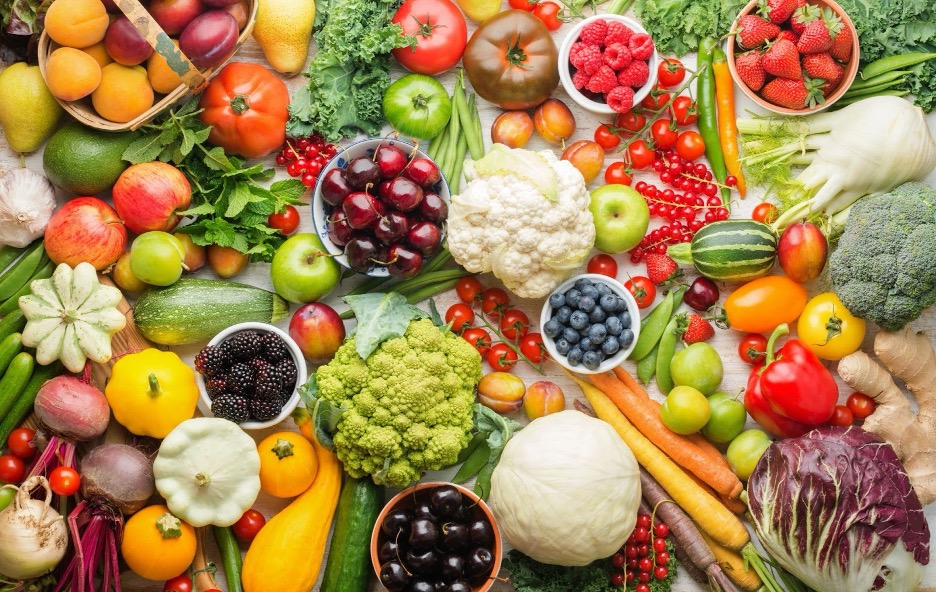
Vegetables are an essential part of anyone’s diet, and there are many within this category of the food pyramid that are considered high in magnesium. Some vegetables with the richest amount include dark, leafy greens such as:
- Spinach
- Kale
- Arugula
- Swiss chard
Other vegetables that provide this nutrient include:
- Edamame
- Zucchini
- Cucumber
- Green beans
- Butternut squash
Fruits That Are Good Sources of Magnesium
Fruit can provide a sweeter and brighter flavor to your palate, just as they are packed with vitamins and minerals necessary for your health. Some magnesium-containing fruits worth adding to your diet include:
- Bananas
- Papaya
- Blackberries
- Avocado
- Dried Figs
- Passion fruit
Many of these fruits are also rich in nutrients such as vitamin C, vitamin B6, iron, and potassium, all of which are important in boosting your immune system and your body’s energy levels.
Whole Grains That Are Good Sources of Magnesium
Whole grains play an important role in your body’s digestive system, cholesterol levels, and blood pressure. They provide fiber, antioxidants, and especially magnesium to your diet, all nutrients that keep your body functioning and healthy. Whole grains help lower blood pressure, which can significantly relieve headaches and migraines. Consider adding these whole grains to your diet:
- Quinoa
- Brown rice
- Oats
- Buckwheat
- Barley
- Whole wheat
Easy Ways to Add Magnesium to Your Diet
Now that you have an understanding of the wide variety of foods containing magnesium, the next step is incorporating it into your diet. Keeping your diet balanced and healthy is the goal, and there are many ways to do so, especially in a way that makes eating fun and flavorful.
Breakfast
- Smoothies: A great way to pack in a lot of nutrients and vitamins into a single drink. Smoothies contain a variety of fruits and vegetables, like spinach and bananas. This mixed berry smoothie may be a great addition to your morning.
- Chia seed pudding: A lighter breakfast choice and a good source of protein, fiber, and magnesium. Toppings such as blackberries or passion fruit can be added to give the pudding more flavor and nutrition. Here’s a recipe on how to make chia seed pudding.
- Oatmeal: Can be made with many different types of oats, like buckwheat and barley, and can be mixed with fruits and nuts to enrich the flavor. You might enjoy adding this barley porridge to your breakfast!
Lunch
- Salads: Another versatile dish that can include almost anything you prefer. Start with kale or arugula as your base, add some tomatoes, cucumber, and avocado for freshness, and finish with a protein of your choice: like shrimp or salmon. This delicious shrimp and avocado salad is sure to brighten up any dull afternoon!
- Sandwiches/Wraps: A versatile lunch idea that can be both filling and flavorful. Try making either this tuna salad or chickpea salad, the stars of each recipe being magnesium-rich proteins. Depending on what you prefer, you can eat it with your choice of bread, tortilla, or even make a lettuce wrap!
Snack/Desserts
- Snack plates: Easy to put together and convenient to eat, snack plates allow you to enjoy a little bit of everything! Try this savory snack plate, which includes sardines, a great source of magnesium.
- Fruit salad: Easy to prepare and store in your fridge, fruit salad is packed with vitamins and minerals that keep your body healthy. This fruit salad with papaya will surely keep you hydrated and give your body the magnesium it needs.
- Brownies: A fudgy and rich sweet treat that can provide a boost of magnesium through the use of dark chocolate. Mix in zucchini, like this in this brownie recipe, for additional magnesium.
Dinner
- Soups/Stews: A hearty and long-lasting meal, soups and stews are great dinner ideas that can incorporate many foods containing magnesium. Foods such as lentils, black beans, and kale go great in these types of dishes. Try adding this cozy lentil and kale soup to your weekly dinner plan.
- Pasta: A classic dish that can host a variety of different ingredients. This butternut squash pasta recipe is a great vegetarian option!
- One-dish meals: These meals are simple to cook and lessen the dirty dishes in your sink! This sheet pan salmon recipe is easy to put together and provides magnesium from the salmon.
Incorporating magnesium-rich foods into your daily routine is a simple, nourishing way to support your overall health and potentially reduce the frequency and severity of headaches. By choosing a balanced mix of proteins, fruits, vegetables, and whole grains, you can fuel your body with the nutrients it needs to function at its best. As always, listen to your body and work toward a diet that feels both sustainable and supportive of your well-being.
Information you can trust! This article was written by Chloe Harris and produced by the Hydrocephalus Association, copyright 2026.
This content is designed to provide helpful information on the topics discussed. It is not intended to replace medical advice. For diagnosis or treatment of any medical condition, please consult your doctor.