
HA funds high-impact research, provides support and educational resources for patients and caregivers, and advocates on behalf of the hydrocephalus community on key policies and legislation.
Since 2009, HA has invested over $17 million in cutting-edge research, making us the largest non-profit, non-governmental funder of hydrocephalus research in the United States.
Our Mission
HA's mission is to find a cure for hydrocephalus and improve the lives of those impacted by the condition.
Our Vision
Our vision is a world without hydrocephalus.
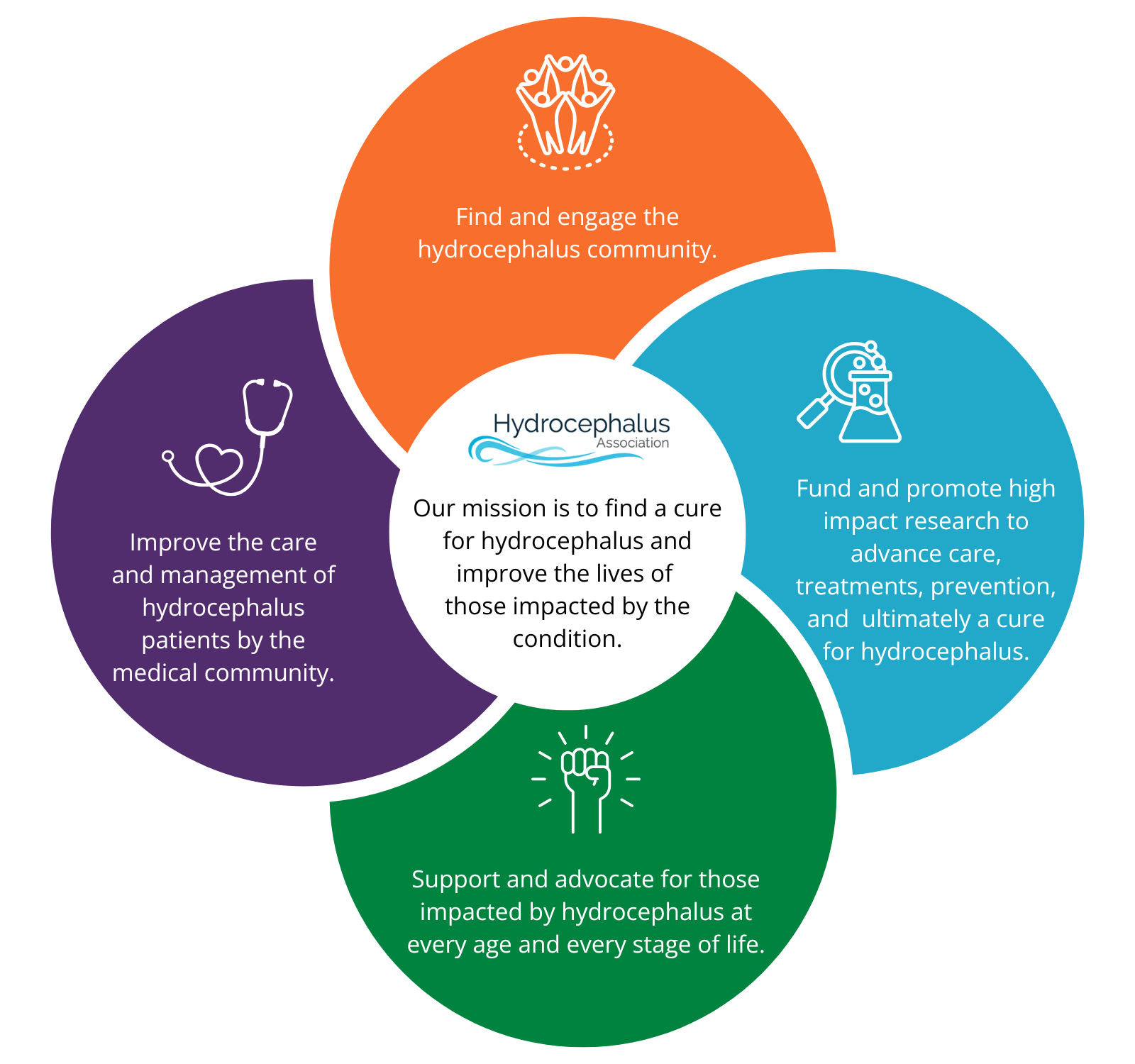
Learn About Our Approach and Strategy
View our 2023-2025 strategic plan.
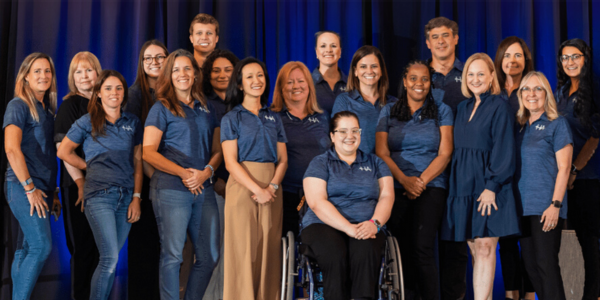
Board of Directors and Staff
HA’s Board of Directors and staff work together to advance our mission and create meaningful change for the hydrocephalus community. The Board provides strategic direction and guidance, while our dedicated staff brings expertise, compassion, and a commitment to serving those affected by hydrocephalus. Together, they provide invaluable support to our programs, advocacy efforts, and community outreach.

Medical & Scientific Advisory Boards
The Hydrocephalus Association’s advisory boards provide expert guidance to the staff and Board of Directors, helping to inform strategic planning and organizational priorities. Members are selected for their deep expertise and experience, offering valuable insights that support research, clinical care, and the needs of individuals and families affected by hydrocephalus.
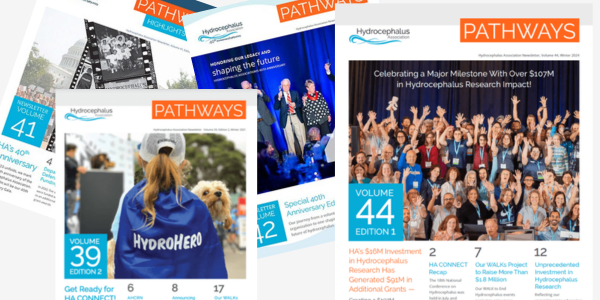
Our Printed Newsletters
Our printed newsletter includes our latest initiatives, events taking place, and information about the latest hydrocephalus research, education, and support efforts.
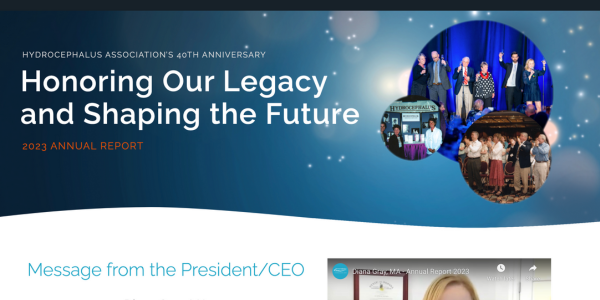
Our Annual Reports and Financials
We aim to be transparent in the use of the funds we receive. View our Annual Reports from the past 10 years, as well as our financials.
BLOG

Looking Back…Moving Forward: Creating a Sense of Community
The Hydrocephalus Association continues our 30th anniversary interview series with Summer Minchew, our Charlotte, NC Support Group leader. She reflects on her role as a support group leader and moving the vision beyond the traditional support group framework aand into creating a hydrocephalus community.

HCRN Update: Biomarkers in Post Hemorrhagic Hydrocephalus
Dr. David Limbrick discusses his current research study which aims to develop a complementary tool to supplement the information from imaging in order to determine the best time to treat infants with post hemorrhagic hydrocephalus.
HA Established Investigator Publishes Research Findings on Congenital Hydrocephalus
James P. (Pat) McAllister, PhD, Director of Basic Hydrocephalus Research at the University of Utah and a Hydrocephalus Association Established Investigator grantee, has had his research findings related to congenital hydrocephalus published in the journal, Cell and Tissue Research.