
Staying Social with NPH: 10 Empowering Tips
How NPH Can Affect Social Activities
Living with normal pressure hydrocephalus (NPH) can affect memory, balance, and energy levels. As a result, activities that once felt easy may require more preparation or flexibility.
Symptoms such as cognitive challenges, difficulty walking, fatigue, incontinence, and, for some individuals, apathy may create challenges in group settings.
Connecting with others can benefit emotional well-being, provide mental stimulation, and reduce feelings of isolation. With the right approach, staying involved and maintaining meaningful relationships is still possible.
Common Barriers to Socializing with NPH
Challenges that may affect participation include:
- Fatigue or low energy
- Balance or mobility concerns
- Memory or cognitive changes
- Difficulty following conversations
- Feeling overwhelmed in busy or noisy environments
- Worry about symptoms occurring in public
- Incontinence concerns
- Reduced motivation or interest in social activities, also known as apathy
Identifying which challenges affect you most can make it easier to find solutions that fit your individual needs.
How to Communicate Your Needs
Open communication can help friends, family members, and coworkers better understand what you are experiencing. Let them know what would help you participate more comfortably.
You might ask to meet in a quieter setting, choose an accessible location, shorten the length of an outing, or adjust the time of day. When possible, involve others in selecting activities that work well for everyone.
 Choosing Activities That Fit Your Abilities and Energy Levels
Your abilities and energy may change from one day to another. Consider how you feel before confirming plans and choosing activities that are realistic for that day.
A short walk, coffee with a friend, a shared meal, or a small group gathering may feel more approachable than a long or crowded event. Focus on activities you value rather than feeling pressured to participate in everything.
Using Technology to Maintain Relationships
When meeting in person is difficult, video calls, text messages, and online communities can provide other ways to communicate. These options may be especially helpful during periods of fatigue, limited mobility, or recovery from treatment.
Creating a Dependable Support System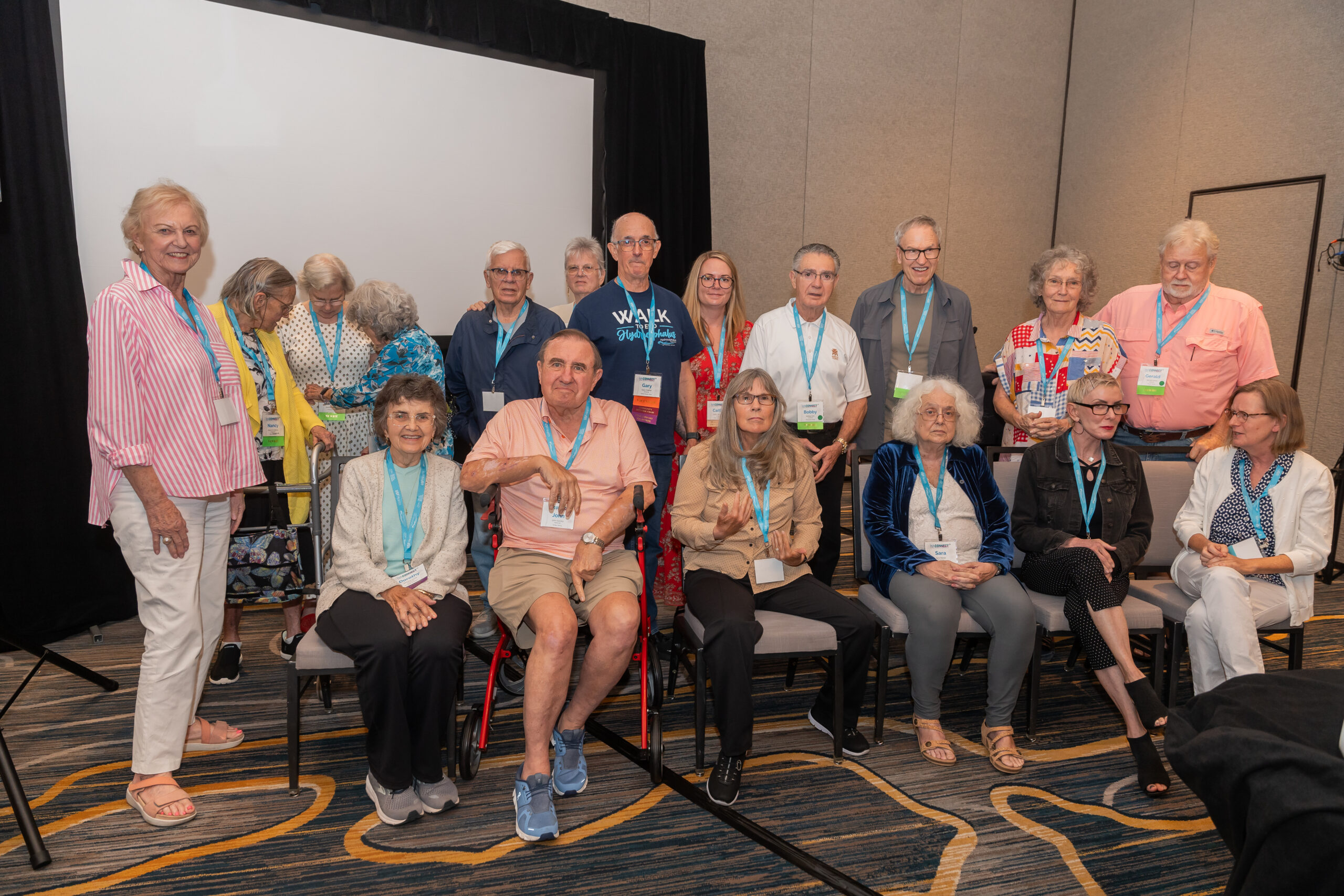
A dependable support system can make it easier to participate in activities outside of the home. Friends and family members may be able to help with transportation, accompany you to unfamiliar places, or assist with mobility and navigation.
Support should encourage social participation while respecting your preferences and independence. Discuss what kind of assistance is useful rather than assuming others will know what you need.
10 Practical Tips for Staying Social with NPH
- Start with activities you enjoy. Choose social activities that are meaningful to you rather than trying to participate in everything.
- Plan around your energy levels. Schedule activities during the time of day when you generally feel your best.
- Use reminders to stay organized. Calendars, alarms, and written notes can help you keep track of plans and reduce the stress of remembering details.
- Consider the environment. Look for places with seating, accessible entrances, and less background noise when those features make socializing easier.
- Plan for bathroom access. Identify nearby restrooms and bring any supplies you may need to manage incontinence.
- Think ahead about transportation. Arrange transportation before an outing when driving or navigating public transportation may be difficult.
- Tell others how they can help. Let friends, family, or companions know what type of assistance would make an activity easier for you.
- Give yourself permission to change plans. It is okay to leave early, decline an invitation, or reschedule when you are not feeling well.
- Use virtual options when needed. Video calls, messages, virtual meetups, and online groups can help you stay connected when meeting in person is not practical.
- Track symptoms and energy levels. Tools such as HydroAssist®, the Hydrocephalus Association’s mobile app, can help you record symptoms and identify patterns that may help you plan future activities.
Balancing Social Life and Self-Care
Spending time with others is valuable, but rest and self-care are also essential. Leave space between activities, avoid overscheduling, and pay attention to signs that you need a break.
Your routines and abilities may change over time. Being flexible and setting realistic expectations can help you continue participating without placing unnecessary pressure on yourself.
If you or a loved one experiences new or worsening apathy, social withdrawal, confusion, walking difficulties, or other changes in symptoms, contact your healthcare provider. These changes should not automatically be assumed to be a normal part of aging or NPH.
Staying Connected in Ways That Work for You
NPH may change how you participate in social activities, but it does not have to prevent you from maintaining meaningful relationships. By making thoughtful adjustments, communicating openly, and accepting help when needed, you can continue connecting with others in ways that feel comfortable, enjoyable, and right for you.
Information you can trust! This article was produced by the Hydrocephalus Association, copyright 2026.