
Rating

Guide to Managing Headaches, Chronic Pain, and Hydrocephalus
Chronic pain and headaches can impact every aspect of life, but with the right strategies, relief is possible. This guide offers practical tips for managing symptoms, including tracking with HydroAssist®, staying hydrated, prioritizing sleep, and exploring stress management and alternative therapies to improve daily well-being.

How to Explain Hydrocephalus to Your Teachers and Friends
Hydrocephalus can be tricky to explain, but keeping it simple helps: Share what’s important for others to know, like when you might need a break, and remember—it’s your story to tell, your way.
Navigating Relationships with Hydrocephalus: Building Strong Connections
Navigating relationships with hydrocephalus requires patience, open communication, and mutual support. With understanding and balance, strong connections can thrive beyond the challenges.

Intimacy and Hydrocephalus: Strengthening Bonds Together
Learn how hydrocephalus affects intimacy and find ways to strengthen emotional and physical connections in romantic relationships.

Maximizing Your Doctor Appointments: Tips, Tools, and Insights
Doctor appointments can be overwhelming, but preparation is the key to making them count. This article offers practical tips, trusted resources, and insights from those living with hydrocephalus to help you take charge of your healthcare journey and get the answers you need.

The Power of a Second Opinion: Advocating for Your Health
Even though second opinions are a common and accepted practice in medicine, many people feel uncomfortable asking for them.
Understanding Cerebral/Cortical Visual Impairment (CVI) and Hydrocephalus: How Vision Can Be Affected
Cerebral Visual Impairment (CVI) affects how the brain processes visual information. This article highlights the link between CVI and hydrocephalus, its impact on vision, and ways to support those affected.

Strategies for Coping with Memory Issues and Forgetfulness
Memory challenges can impact daily life in many ways, whether they’re related to managing medical conditions like hydrocephalus or are part of the natural aging process. Here are some practical strategies, tools, and resources to help manage forgetfulness and enhance your memory.

Communicating and Non-Communicating Hydrocephalus
Communicating hydrocephalus occurs when the flow of cerebrospinal fluid (CSF) is blocked after it exits the ventricles. Non-communicating hydrocephalus occurs when the flow of CSF is blocked along one of or more of the narrow passages connecting the ventricles.

Congenital Hydrocephalus
Congenital hydrocephalus is caused by a complex interaction of genetic and environmental factors during fetal development.

Acquired Hydrocephalus
Acquired hydrocephalus develops after birth as a result of neurological conditions such as head trauma, brain tumor, cyst, brain bleed, or infection.

Just Like Any Other Beagle: Coloring Book
This coloring book helps children with hydrocephalus understand the condition through the story of Barney Beagle, making learning fun and engaging for families.
A Guide for Families
We know a new diagnosis can be overwhelming. Our guide offers essential information on hydrocephalus in children, its diagnosis, treatment options, and supportive programs to help your family cope and thrive.
A Guide for Adults
Our guide offers essential information on hydrocephalus, including supportive programs to help your family navigate this journey with confidence!
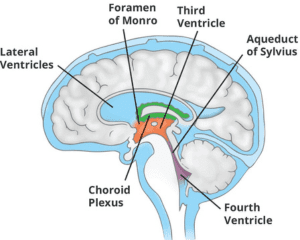
Understanding the Choroid Plexus: Function, Location, and Its Role in Hydrocephalus
The choroid plexus produces cerebrospinal fluid (CSF), which cushions the brain and maintains pressure. Located in the brain’s ventricles, it plays a key role in fluid balance. When this balance is disrupted, conditions like hydrocephalus can occur. Treatments may target the choroid plexus to manage CSF production and help control symptoms.
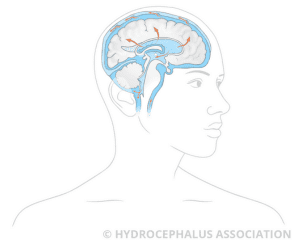
How Cerebrospinal Fluid Works in Hydrocephalus
Cerebrospinal fluid (CSF) cushions, nourishes, and protects the brain and spinal cord. Learn how CSF flow, production, and absorption relate to hydrocephalus.

What to Ask Your Doctor about NPH
Creating and maintaining a good relationship with qualified doctors is vital in overall healthcare planning. We have compiled lists of questions.

What to Ask Your Doctor about Teens with Hydrocephalus
Creating and maintaining a good relationship with qualified doctors is vital in overall healthcare planning. We have compiled lists of questions.

What to Ask Your Doctor About Infants and Children with Hydrocephalus
Creating and maintaining a good relationship with qualified doctors is vital in overall healthcare planning. We have compiled lists of questions.
Medical History Summary
Fill out this form to keep track of your medical history and other vital information regarding your health. Keep a printed copy always with you.