



Take on the challenge to improve the lives of those impacted by hydrocephalus.

HYDROCEPHALUS IN TAMPA, FLORIDA
The first 100 registrations will receive early access pricing on any full conference registration or family bundle!


Let’s Navigate this together
Trusted resources to help you on your journey.

Recently Diagnosed?
Have you or a loved one recently been diagnosed with hydrocephalus?

Tools for Daily Life
Learn how to manage the day to day symptoms and challenges you might encounter on your journey with hydrocephalus.

Get Support
We're here to help! Find the support you need and talk to people who know what you're going through.
Driving Research Forward
Improving lives now and funding the breakthrough research of tomorrow.

$13.8 Million
Invested in research

$71 Million
Additional Federal Grants Awarded

12
Preclinical Drug Therapies
Make An Impact
We come together in so many ways — all of us driven by a passion to find a cure and improve the lives of those impacted by hydrocephalus. Whether you participate in a WALK to End Hydrocephalus or join our advocacy efforts, you’re making a difference!
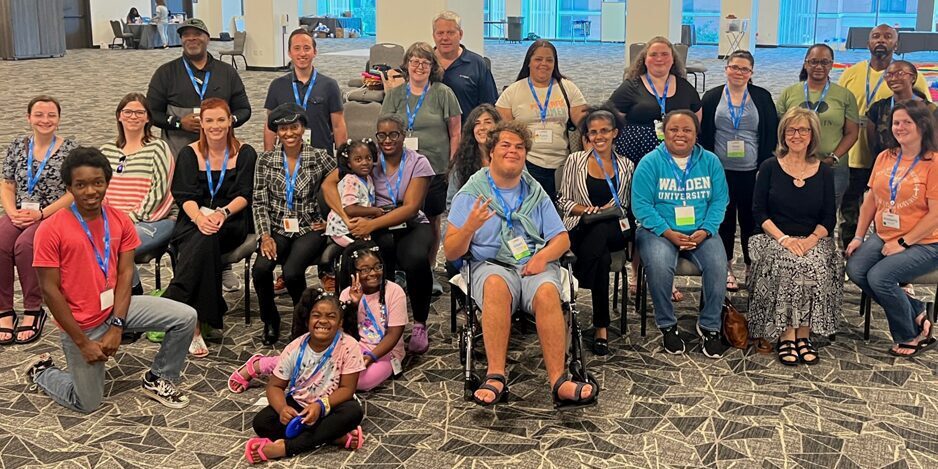
Community
Our community of patients and caregivers is there for you so you can connect, share life experiences, and find hope.
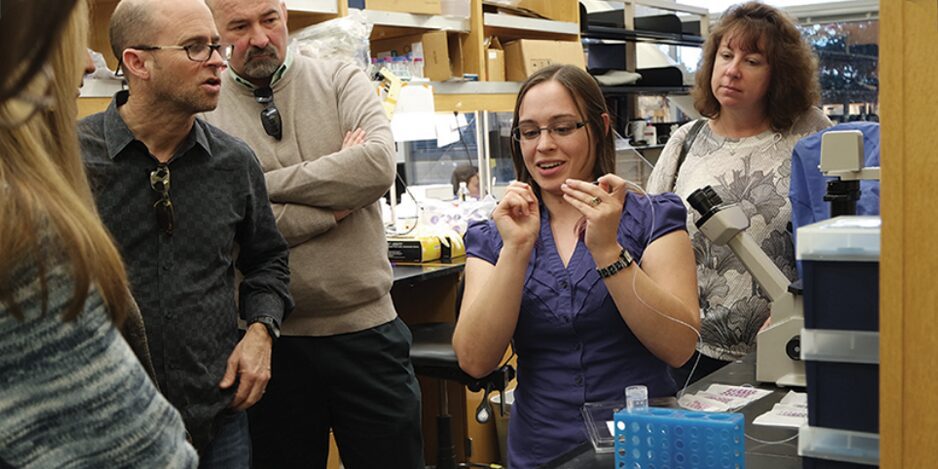
Research
Researchers need input from people living with hydrocephalus in order to ask the right questions and develop treatments.
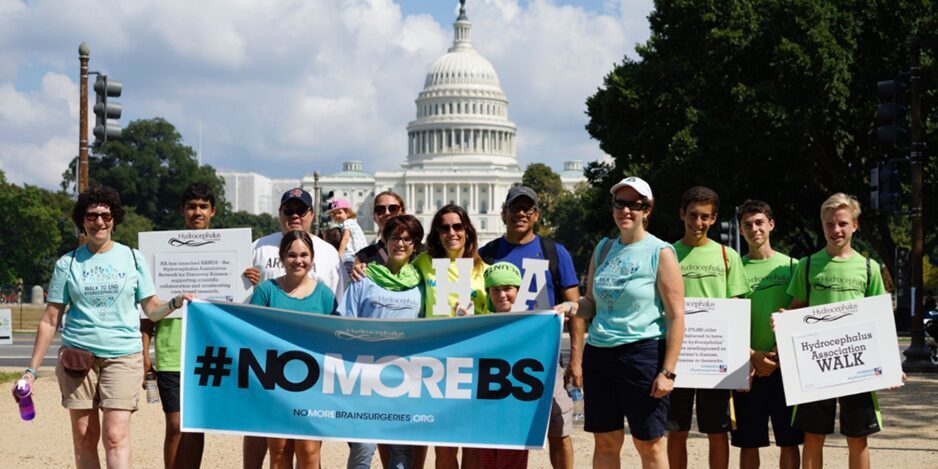
Advocate
The best advocates are patients, family members, medical caregivers, and others who are directly affected by the condition.
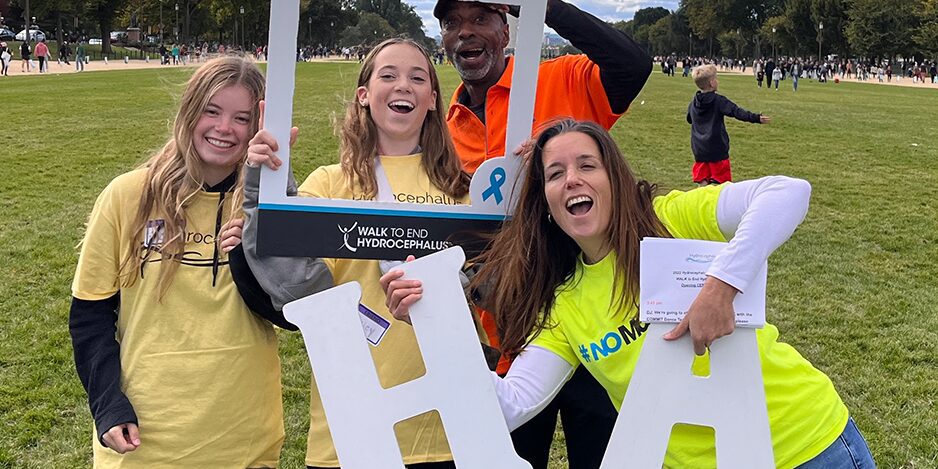
Shop
Raise awareness about hydrocephalus and look great doing it!
Connect With Us
When you're ready, let's take the next step together. Stay informed with our monthly newsletter! We'll share inspiring stories, and information about our programs, events, and research.